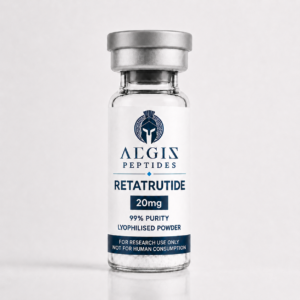
High Purity UK Based Research Peptide Supplier
Trusted by researchers worldwide for quality, purity, and scientific excellence
Pharmaceutical-grade peptides for advanced research applications. Manufactured to the highest standards with full third-party testing and certification.
Peptides are short chains of amino acids linked together by peptide bonds. In scientific research, peptides are widely studied for their role in biological signalling, cellular communication, metabolic regulation, and molecular interactions. Research peptides are commonly used in laboratory environments for analytical studies, assay development, and experimental investigation.
Research peptides should only be handled by qualified professionals in controlled laboratory environments. Improper handling, storage, or unauthorised use may present risks. All products sold by Aegis Peptides are intended strictly for in vitro scientific research and are not approved for human consumption, medical treatment, or veterinary use.
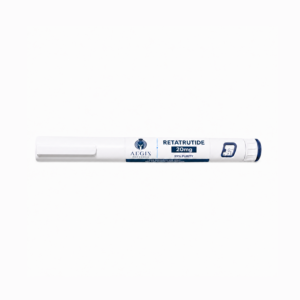
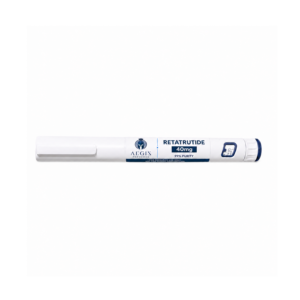
Retatrutide (often shortened to “Reta” in research settings) is a synthetic multi-receptor peptide developed by Eli Lilly and is still considered investigational; Lilly states it is not currently FDA-approved and remains under clinical evaluation.
Studied for its interaction with GLP-1, GIP, and glucagon receptors. It is currently being investigated in scientific research relating to metabolism, appetite signalling, and energy regulation pathways. At Aegis Peptides, Retatrutide is supplied strictly for laboratory research use only.
Phase 2 obesity research published in NEJM reported substantial body-weight reductions over 48 weeks.
Retatrutide has gained significant attention within scientific and pharmaceutical research due to ongoing studies exploring its role in metabolic signalling and multi-receptor activity. Researchers are interested in how compounds like Retatrutide may influence appetite regulation, glucose metabolism, and energy balance pathways in experimental settings.
Retatrutide is being studied for its activity across multiple metabolic hormone receptors, including GLP-1, GIP, and glucagon receptors. In research settings, these pathways are associated with appetite signalling, energy expenditure, glucose regulation, and metabolic function. Scientists are investigating how multi-receptor compounds may influence body weight regulation and energy balance in controlled experimental models.
Retatrutide differs from Tirzepatide and Semaglutide because it is designed to activate three metabolic receptor pathways — GLP-1, GIP, and glucagon receptors. In comparison, Semaglutide primarily targets GLP-1 receptors, while Tirzepatide targets both GLP-1 and GIP receptors.
Researchers are investigating whether Retatrutide’s additional glucagon receptor activity may influence appetite signalling, energy expenditure, metabolic regulation, and body-weight pathways differently within controlled laboratory studies.
Lyophilisation, or freeze-drying, helps maintain peptide stability and integrity during transport and storage. This format reduces degradation and allows researchers to accurately reconstitute compounds when required for experimental procedures.
Reconstitution is the process of converting a lyophilised (freeze-dried) peptide into a liquid solution for laboratory use by adding a suitable sterile diluent, such as Bacteriostatic (BAC) Water or sterile water intended for research applications. Lyophilisation helps preserve peptide stability during storage and transport, while reconstitution prepares the compound for controlled experimental handling.
In professional laboratory environments, reconstitution is typically carried out using sterile technique and appropriate laboratory procedures. Researchers commonly allow both the peptide vial and the chosen diluent to reach room temperature before mixing to minimise thermal stress on the compound. The sterile diluent is then added slowly to the vial, ideally against the inside wall of the container rather than directly onto the peptide powder. The vial is gently swirled until dissolved — vigorous shaking is generally avoided to help preserve peptide structure and integrity.
Following reconstitution, the solution is usually refrigerated and stored according to established laboratory handling and safety guidelines.
“Research use only” means a product is supplied exclusively for laboratory-based scientific investigation. It is not approved for human consumption, therapeutic use, clinical application, or veterinary use. Buyers are expected to be qualified researchers or authorised institutions operating within applicable regulations.
A Certificate of Analysis (COA) provides detailed testing information for a specific batch, including purity data and analytical results. COAs help ensure transparency, traceability, and quality assurance for researchers working with laboratory compounds.